
Helping people make sense of money
Featured In:
AARP, Bankrate, Barron's, Bloomberg, CBS News, CNBC, ETF.com, Financial Planning, Fortune, Fox Business, Investor’s Business Daily, Investopedia, Kiplinger, MarketWatch, Money, MSN Money, NerdWallet, Reuters, The New York Times, TheStreet, ThinkAdvisor, U.S. News & World Report, and The Wall Street Journal

Lesson 40: What “Enough” Actually Means
It’s Not a Number. It’s a Function of Your Life Last week, we moved away from the idea of a fixed retirement date and toward a range that allows for flexibility. This month, we’re stepping back even further. Before you can decide when work becomes optional or how retirement might look, you need a clearer…
Lesson 37: Withdrawal Basics
How You Take Money Out Matters More Than Most People Expect Last week, we shifted from building wealth to using it. The key idea was simple: a balance is not income. At some point, you have to turn what you’ve saved into something you can actually spend. This week is where that becomes real. Once…

Lesson 34: Uneven Households
One System, Two Behaviors: Where Things Quietly Break Over the past few weeks, we’ve looked at what happens when progress slows, when you take on additional responsibilities, and how to rebuild after a setback. This week, the pressure comes from a different place. Not from the numbers themselves, but from how two people interact with…

Lesson 31: When Progress Doesn’t Look Like Progress
Flat Periods Are Part of the System, Not a Sign It’s Failing Over the past month, we focused on decisions that put pressure on your financial system – housing, cars, and large expenses that reshape how money flows. This month, the pressure looks different. It is not coming from a single decision. It comes from…

Lesson 28: Buying a Home Without Romanticizing It
Ownership Changes More Than Your Address – It Changes Your Entire System Last week, we introduced a different way to evaluate large financial decisions. Instead of asking whether something fits, you started looking at what changes when you add it. This week, we’re applying that directly to one of the biggest decisions most people make:…
Lesson 25: Estate Planning Beyond the Basics
Wills, trusts, taxes, and how control transfers Earlier this year, we talked about beneficiaries, account access, and the “if I got hit by a bus” scenario. That conversation focused on logistics – who can step in, who can see what, and how accounts move quickly when something happens. This week goes deeper. Estate planning is…

Lesson 22: The Job Loss Drill
If income stopped tomorrow, what happens next? Last week we talked about income growth and how rising earnings can quietly raise your baseline expenses. This week flips the lens. Most people at one point or another deal with job loss, and the majority of the time it is not their own doing. Layoffs and restructuring…
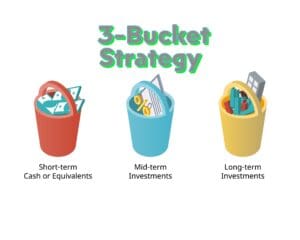
Lesson 19: The Bucket Strategy
How invested money eventually turns into usable income At some point, investing stops being about accumulation and starts being about access. Up until now, the focus has been on building -contributing, staying invested, understanding asset mix, tolerating volatility. All of that is necessary when you are growing your base. The next question is quieter but…

Lesson 16: Investing Setup
Opening accounts outside work and choosing a starter approach Workplace plans are one path into investing. They are not the only one. Many people change jobs, work independently, take time out of the workforce, or never have access to an employer-sponsored plan at all. Others want more flexibility or even ways to invest in addition…
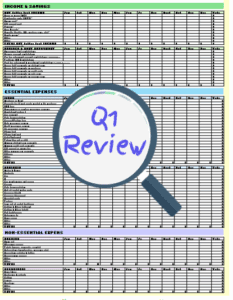
Lesson 13: Q1 Review
Locking in the system before we move forward Whether you’ve been following along since January and have run your system through three full months, or you joined partway through and haven’t had a chance to fully dig in yet, this week is designed for both. If you’re caught up, this is your moment to slow…

The Ownership Illusion: Is Homeownership Still the American Dream?
Owning a home has long been a cornerstone of the American Dream, and recent surveys show that sentiment hasn’t changed. According to Realtor.com and Bankrate, homeownership remains a top priority for many Americans. Even those who anticipate challenges in achieving it still view owning a home as a key marker of success and an essential…

Smart Strategies for Education Funding: Unlocking the Benefits of 529 Plans and Tackling the True Costs of College
Planning your child’s education is a pivotal financial milestone, and with college costs continually rising, having a solid strategy is more important than ever. While grants, scholarships, and student loans can help bridge the gap, these options are often uncertain and difficult to plan for in advance. This guide focuses on the key savings tools…

2025 Market Outlook: Putting Your Financial Knowledge to Work
Now that we’re a month into 2025, we can begin to see how the year is taking shape and evaluate the major forecasts with fresh eyes. Over the past few weeks, we’ve explored the fundamentals of financial literacy – from understanding different types of investment accounts to breaking down various asset classes and investment strategies.…

Understanding Investment Fees: What You’re Paying For and Why It Matters
When it comes to investing, fees might not be the most exciting topic, but they’re one of the most important. We keep talking about keeping fees low and leaning toward ETFs – but in the end that is a personal decision as mutual funds do come with some added benefits. So in order to arm…

Your Investment Starter Pack: Essentials and First Steps
Starting your investment journey might feel overwhelming, but it doesn’t have to be. With a clear plan and the right approach, you can set yourself up for long-term success. Over the last two weeks, we’ve covered the importance of building the right financial team and understanding your investment account options. Now, it’s time to take…

Where to Start: Choosing the Right Account for Your Investments
For many people, the hardest part of investing is simply figuring out where to begin. After all, understanding ETFs and mutual funds is one thing, but knowing where to hold those investments is another challenge altogether. Let’s break down the basics of different types of investment accounts to help you understand how they work and…

ETFs vs Mutual Funds: How to Choose What’s Right for You
Last week, we explored the basics of managing investments on your own versus working with a professional. For some, the decision to go it alone is more than a way to save time or money – it’s an exciting opportunity to dive deeper into a topic they genuinely enjoy. If that resonates with you, one…

Who’s on Your Team? Choosing the Right Financial Partners
When it comes to managing your financial life, it’s tempting to think you can go it alone. And sure, there are plenty of things you can handle yourself – we’ll get to that in the next article. But some challenges call for a dream team of professionals to guide you through the complexities. The question…

The Basics of Estate Planning: Wills, Trusts, and Why They Matter
Estate planning is for anyone who wants to avoid leaving behind a mess. If you want your family to skip unnecessary headaches, legal drama, and extra expenses, you need a plan. This isn’t something to push off for “later” because, let’s face it, “later” has a way of sneaking up on you. Here’s the deal:…

The Resolution Revolution: Financial Habits Worth Keeping in the New Year
As we approach the end of another year, it’s tempting to fall into the familiar cycle of setting ambitious New Year’s resolutions, only to abandon them by February. Research shows that the majority of resolutions fail not because they lack merit, but because they’re too grandiose or unsustainable. So, why not break the cycle this…

Lesson 42: The Cost of Flexibility
Freedom Is Built by Tradeoffs – Not Just by Growth Last week, we looked at financial independence as a spectrum rather than a single end point. Each level offers a different degree of flexibility, from basic stability to full independence from earned income. This week focuses on what it takes to get there. Flexibility does…
Lesson 39: “Can I Retire?” Is the Wrong Question
It’s Not a Date – It’s a Range With Flexibility Over the past few weeks, we’ve shifted from building wealth to using it. You’ve seen how income gets created from savings, how withdrawals work, and why timing matters once money starts coming out. All of that leads to a question most people eventually ask: Can…

Lesson 36: Turning Savings Into Income
A Balance Isn’t a Paycheck – You Have to Create One Over the past two months, we’ve focused on what happens while you are still earning – how your system holds up under pressure, uneven income, and competing priorities. This month, we shift to a different phase. At some point, the question changes from how…

Lesson 33: Restarting After Financial Damage
You Don’t Rebuild Everything at Once. You Rebuild in Order Over the past two weeks, we’ve looked at what happens when progress slows and when your system is stretched by competing priorities. This week is different. Sometimes the system doesn’t just stretch. It breaks. Job loss, unexpected expenses, debt buildup, or a series of decisions…

Lesson 30: One-Time Expenses That Don’t Stay One-Time
Large Costs Feel Isolated. The Impact Rarely Is Over the past few weeks, we’ve looked at decisions that reshape your financial system over time. A home changes your fixed costs. A car can turn into a repeating cycle. This week’s category feels different. Renovations, weddings, large trips, major purchases – these are usually framed as…

Lesson 27: “Can You Afford It?” Is the Wrong Question
The Payment Isn’t the Problem — The Tradeoffs Are Over the past six months, you’ve built a system that shows you how your money actually moves. You have a clearer picture of your expenses, your timing, your savings, and where things tighten when something changes. This month, we’re shifting into a different type of decision.…

Lesson 24: Protect Your Accounts
Two-factor authentication, alerts, credit freezes, and cleaning up old access Up to this point, we have talked about protecting income, protecting assets, and protecting against interruption. This week shifts to something quieter but just as important: protecting access. Most financial disruption today does not start with a market crash. It starts with compromised credentials, an…

Lesson 21: Lifestyle Creep
How rising income can quietly stretch the system you’ve built Over the past few months, we’ve focused on structure – tracking cash flow, building reserves, investing, and thinking deliberately about how each dollar is used. At the same time, most people are working toward higher income, better opportunities, and more stability. When income rises, life…

Lesson 18: Staying Invested
Volatility, fees, and the reasons people second-guess the plan At some point after you start investing, a shift happens. You’ve cleared the hurdle of opening the account and setting up contributions. Then you wait for the money you just parted with to grow. It can feel unsettling at first. One day you log in and…

Lesson 15: Workplace Plan Basics
Understanding how employer plans fit into your bigger picture Workplace retirement plans are often introduced early and then left largely unexplored. You enroll during onboarding, pick something that sounds reasonable, and then life moves on. Contributions happen in the background, statements pile up unread, and years can pass before you stop to ask what role…