
Helping people make sense of money
Featured In:
AARP, Bankrate, Barron's, Bloomberg, CBS News, CNBC, ETF.com, Financial Planning, Fortune, Fox Business, Investor’s Business Daily, Investopedia, Kiplinger, MarketWatch, Money, MSN Money, NerdWallet, Reuters, The New York Times, TheStreet, ThinkAdvisor, U.S. News & World Report, and The Wall Street Journal

Lesson 40: What “Enough” Actually Means
It’s Not a Number. It’s a Function of Your Life Last week, we moved away from the idea of a fixed retirement date and toward a range that allows for flexibility. This month, we’re stepping back even further. Before you can decide when work becomes optional or how retirement might look, you need a clearer…
Lesson 37: Withdrawal Basics
How You Take Money Out Matters More Than Most People Expect Last week, we shifted from building wealth to using it. The key idea was simple: a balance is not income. At some point, you have to turn what you’ve saved into something you can actually spend. This week is where that becomes real. Once…

Lesson 34: Uneven Households
One System, Two Behaviors: Where Things Quietly Break Over the past few weeks, we’ve looked at what happens when progress slows, when you take on additional responsibilities, and how to rebuild after a setback. This week, the pressure comes from a different place. Not from the numbers themselves, but from how two people interact with…

Lesson 31: When Progress Doesn’t Look Like Progress
Flat Periods Are Part of the System, Not a Sign It’s Failing Over the past month, we focused on decisions that put pressure on your financial system – housing, cars, and large expenses that reshape how money flows. This month, the pressure looks different. It is not coming from a single decision. It comes from…

Lesson 28: Buying a Home Without Romanticizing It
Ownership Changes More Than Your Address – It Changes Your Entire System Last week, we introduced a different way to evaluate large financial decisions. Instead of asking whether something fits, you started looking at what changes when you add it. This week, we’re applying that directly to one of the biggest decisions most people make:…
Lesson 25: Estate Planning Beyond the Basics
Wills, trusts, taxes, and how control transfers Earlier this year, we talked about beneficiaries, account access, and the “if I got hit by a bus” scenario. That conversation focused on logistics – who can step in, who can see what, and how accounts move quickly when something happens. This week goes deeper. Estate planning is…

Lesson 22: The Job Loss Drill
If income stopped tomorrow, what happens next? Last week we talked about income growth and how rising earnings can quietly raise your baseline expenses. This week flips the lens. Most people at one point or another deal with job loss, and the majority of the time it is not their own doing. Layoffs and restructuring…
Lesson 19: The Bucket Strategy
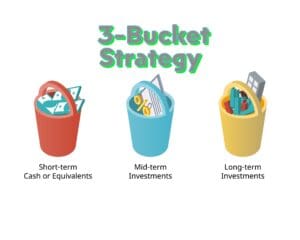
How invested money eventually turns into usable income At some point, investing stops being about accumulation and starts being about access. Up until now, the focus has been on building -contributing, staying invested, understanding asset mix, tolerating volatility. All of that is necessary when you are growing your base. The next question is quieter but…

Lesson 16: Investing Setup
Opening accounts outside work and choosing a starter approach Workplace plans are one path into investing. They are not the only one. Many people change jobs, work independently, take time out of the workforce, or never have access to an employer-sponsored plan at all. Others want more flexibility or even ways to invest in addition…
Lesson 13: Q1 Review
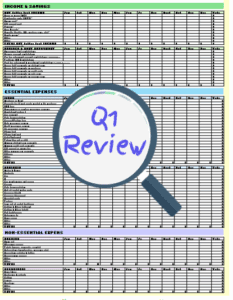
Locking in the system before we move forward Whether you’ve been following along since January and have run your system through three full months, or you joined partway through and haven’t had a chance to fully dig in yet, this week is designed for both. If you’re caught up, this is your moment to slow…
Understanding Enhanced Catch-Up Contributions for 2025
Last week, we explored ways to maximize your retirement savings before year-end, including taking full advantage of IRA, 401(k), and TSP contributions. This week, let’s look ahead to an exciting development for retirement savers: the enhanced catch-up contributions introduced by the SECURE 2.0 Act, set to go into effect in 2025. These changes could make…
Maximizing Your Retirement Savings Before Year-End
As the end of the year approaches, it’s the perfect time to take a closer look at your retirement contributions. If you’ve been contributing to your IRA, 401(k), or TSP (for federal employees), now’s the time to ensure you’re making the most of these accounts. Not only can you reduce your taxable income by maxing…

How Politics Shapes Your Financial Future: A Balanced Perspective
In today’s 24-hour news cycle, headlines about potential policy changes and their financial implications seem endless. While it’s natural to wonder how political shifts might affect your financial future, successful planning requires distinguishing between speculation and strategy. Let’s explore how to maintain sound financial practices amid political transitions. How Politics Shapes Financial PlanningRegardless of which…

Tax-Loss Harvesting – A Year-End Strategy to Reduce Your Tax Bill
As the year draws to a close, now is an ideal time to review your portfolio for opportunities to reduce your tax liability through tax-loss harvesting. This strategy allows you to offset gains with losses by selling investments that have declined in value, potentially reducing your taxable income. Here’s a closer look at how tax-loss…

Black Friday, Cyber Monday…blah blah blah: Are You Spending Wisely?
Let’s be honest: there’s something magical about a Christmas tree surrounded by beautifully wrapped presents. The anticipation, the shared excitement of gift-opening, the festive chaos of wrapping paper strewn across the floor – these moments help create the holiday atmosphere we cherish. But as inflation pinches wallets and environmental concerns grow, many of us are…

Financial Literacy Essentials: Building Blocks for Every Stage of Life
Financial literacy forms the foundation for a secure and confident future. Regardless of age or financial goals, understanding key money management skills can have a lasting impact. While some of these concepts have been covered in prior issues, this week revisits and ties them all together—because sometimes, a bit of repetition is beneficial for reinforcing…

No 401(k)? No Problem: How Gig Workers Can Still Save for Retirement
Traditional employees often benefit from retirement education and easy access to savings options through their HR departments. Gig workers, however, face the challenge of navigating this information on their own, which can be overwhelming. Many gig workers—freelancers, rideshare drivers, and independent contractors—tend to overlook long-term financial planning. Instead, they focus on short-term financial stability, managing…

Life Insurance – Yes or No?
Life insurance is one of those financial products we’re all told to get. From advertisements to financial gurus, it seems like the ultimate safety net for everyone. But here’s a radical thought: life insurance is not for everyone. That’s right. Despite its merits, there are scenarios where life insurance might not be the right fit,…
The Stress of Money – Managing your Mental Wealth
Money-related stress has become a near-universal experience. Countless surveys and studies highlight a surprising truth: financial worry isn’t exclusive to any particular income bracket. Whether you’re living paycheck to paycheck or managing a substantial portfolio, the stress of money can affect us all. Financial stress is a great equalizer. It doesn’t discriminate based on income,…
Election Guide 2024
*a subscriber exclusive* In this exclusive guide, we explore the potential impact of the upcoming election on your investments, taxes, and retirement. Learn from 90 years of market data, discover common investor mistakes during election years, and get actionable strategies for safeguarding your financial future. Whether it’s Social Security reform or sector volatility, this guide…

Lesson 42: The Cost of Flexibility
Freedom Is Built by Tradeoffs – Not Just by Growth Last week, we looked at financial independence as a spectrum rather than a single end point. Each level offers a different degree of flexibility, from basic stability to full independence from earned income. This week focuses on what it takes to get there. Flexibility does…
Lesson 39: “Can I Retire?” Is the Wrong Question
It’s Not a Date – It’s a Range With Flexibility Over the past few weeks, we’ve shifted from building wealth to using it. You’ve seen how income gets created from savings, how withdrawals work, and why timing matters once money starts coming out. All of that leads to a question most people eventually ask: Can…

Lesson 36: Turning Savings Into Income
A Balance Isn’t a Paycheck – You Have to Create One Over the past two months, we’ve focused on what happens while you are still earning – how your system holds up under pressure, uneven income, and competing priorities. This month, we shift to a different phase. At some point, the question changes from how…

Lesson 33: Restarting After Financial Damage
You Don’t Rebuild Everything at Once. You Rebuild in Order Over the past two weeks, we’ve looked at what happens when progress slows and when your system is stretched by competing priorities. This week is different. Sometimes the system doesn’t just stretch. It breaks. Job loss, unexpected expenses, debt buildup, or a series of decisions…

Lesson 30: One-Time Expenses That Don’t Stay One-Time
Large Costs Feel Isolated. The Impact Rarely Is Over the past few weeks, we’ve looked at decisions that reshape your financial system over time. A home changes your fixed costs. A car can turn into a repeating cycle. This week’s category feels different. Renovations, weddings, large trips, major purchases – these are usually framed as…

Lesson 27: “Can You Afford It?” Is the Wrong Question
The Payment Isn’t the Problem — The Tradeoffs Are Over the past six months, you’ve built a system that shows you how your money actually moves. You have a clearer picture of your expenses, your timing, your savings, and where things tighten when something changes. This month, we’re shifting into a different type of decision.…

Lesson 24: Protect Your Accounts
Two-factor authentication, alerts, credit freezes, and cleaning up old access Up to this point, we have talked about protecting income, protecting assets, and protecting against interruption. This week shifts to something quieter but just as important: protecting access. Most financial disruption today does not start with a market crash. It starts with compromised credentials, an…

Lesson 21: Lifestyle Creep
How rising income can quietly stretch the system you’ve built Over the past few months, we’ve focused on structure – tracking cash flow, building reserves, investing, and thinking deliberately about how each dollar is used. At the same time, most people are working toward higher income, better opportunities, and more stability. When income rises, life…

Lesson 18: Staying Invested
Volatility, fees, and the reasons people second-guess the plan At some point after you start investing, a shift happens. You’ve cleared the hurdle of opening the account and setting up contributions. Then you wait for the money you just parted with to grow. It can feel unsettling at first. One day you log in and…

Lesson 15: Workplace Plan Basics
Understanding how employer plans fit into your bigger picture Workplace retirement plans are often introduced early and then left largely unexplored. You enroll during onboarding, pick something that sounds reasonable, and then life moves on. Contributions happen in the background, statements pile up unread, and years can pass before you stop to ask what role…