
Helping people make sense of money
Featured In:
AARP, Bankrate, Barron's, Bloomberg, CBS News, CNBC, ETF.com, Financial Planning, Fortune, Fox Business, Investor’s Business Daily, Investopedia, Kiplinger, MarketWatch, Money, MSN Money, NerdWallet, Reuters, The New York Times, TheStreet, ThinkAdvisor, U.S. News & World Report, and The Wall Street Journal

Lesson 40: What “Enough” Actually Means
It’s Not a Number. It’s a Function of Your Life Last week, we moved away from the idea of a fixed retirement date and toward a range that allows for flexibility. This month, we’re stepping back even further. Before you can decide when work becomes optional or how retirement might look, you need a clearer…
Lesson 37: Withdrawal Basics
How You Take Money Out Matters More Than Most People Expect Last week, we shifted from building wealth to using it. The key idea was simple: a balance is not income. At some point, you have to turn what you’ve saved into something you can actually spend. This week is where that becomes real. Once…

Lesson 34: Uneven Households
One System, Two Behaviors: Where Things Quietly Break Over the past few weeks, we’ve looked at what happens when progress slows, when you take on additional responsibilities, and how to rebuild after a setback. This week, the pressure comes from a different place. Not from the numbers themselves, but from how two people interact with…

Lesson 31: When Progress Doesn’t Look Like Progress
Flat Periods Are Part of the System, Not a Sign It’s Failing Over the past month, we focused on decisions that put pressure on your financial system – housing, cars, and large expenses that reshape how money flows. This month, the pressure looks different. It is not coming from a single decision. It comes from…

Lesson 28: Buying a Home Without Romanticizing It
Ownership Changes More Than Your Address – It Changes Your Entire System Last week, we introduced a different way to evaluate large financial decisions. Instead of asking whether something fits, you started looking at what changes when you add it. This week, we’re applying that directly to one of the biggest decisions most people make:…
Lesson 25: Estate Planning Beyond the Basics
Wills, trusts, taxes, and how control transfers Earlier this year, we talked about beneficiaries, account access, and the “if I got hit by a bus” scenario. That conversation focused on logistics – who can step in, who can see what, and how accounts move quickly when something happens. This week goes deeper. Estate planning is…

Lesson 22: The Job Loss Drill
If income stopped tomorrow, what happens next? Last week we talked about income growth and how rising earnings can quietly raise your baseline expenses. This week flips the lens. Most people at one point or another deal with job loss, and the majority of the time it is not their own doing. Layoffs and restructuring…
Lesson 19: The Bucket Strategy
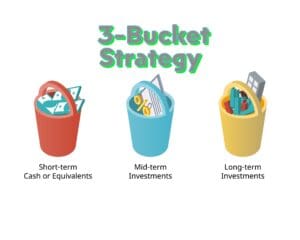
How invested money eventually turns into usable income At some point, investing stops being about accumulation and starts being about access. Up until now, the focus has been on building -contributing, staying invested, understanding asset mix, tolerating volatility. All of that is necessary when you are growing your base. The next question is quieter but…

Lesson 16: Investing Setup
Opening accounts outside work and choosing a starter approach Workplace plans are one path into investing. They are not the only one. Many people change jobs, work independently, take time out of the workforce, or never have access to an employer-sponsored plan at all. Others want more flexibility or even ways to invest in addition…
Lesson 13: Q1 Review
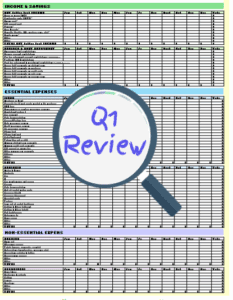
Locking in the system before we move forward Whether you’ve been following along since January and have run your system through three full months, or you joined partway through and haven’t had a chance to fully dig in yet, this week is designed for both. If you’re caught up, this is your moment to slow…

Who’s Actually Moving the Market?
If you’ve ever watched the market jump or crash and thought, “Who decided that?”, you’re not alone. It’s easy to assume it’s a crowd of everyday investors, each clicking “buy” or “sell” on their phones. But the truth is, retail traders (people trading their own money) make up a small slice of the action. Most…
What on Earth is Market Volatility?
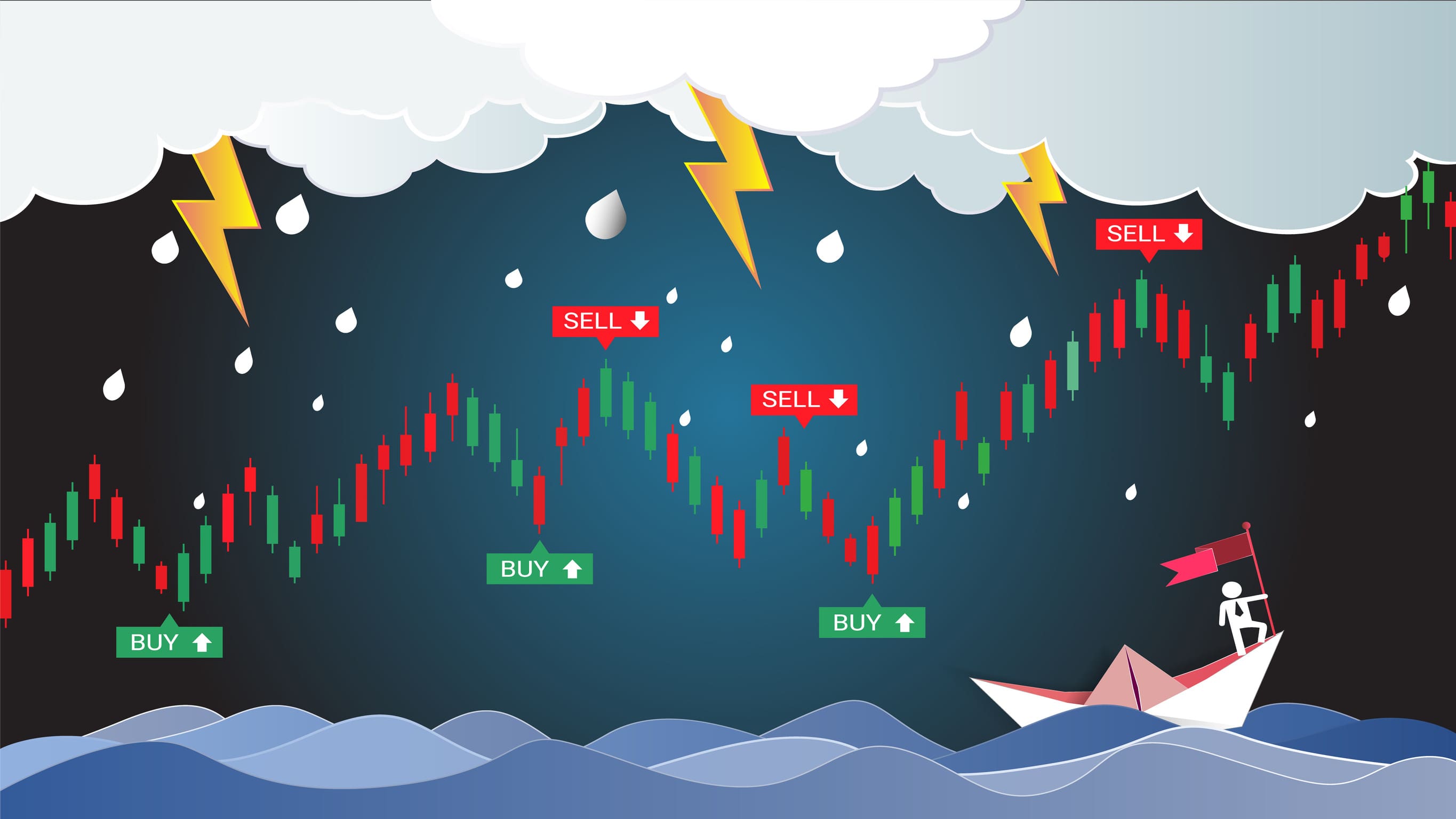
If you’ve ever checked your investment account and felt like you were on a rollercoaster, congratulations: you’ve experienced market volatility. But what does that even mean? In simple terms, volatility refers to how much and how quickly prices of stocks (or other investments) move up and down. A calm, steady market has low volatility. A…

Navigating the Financial Squeeze: The Realities of the Sandwich Generation
“Sometimes, carrying on, just carrying on, is the superhuman achievement.” – Albert Camus Life has a way of throwing curveballs just as you start feeling like you have things under control – building your career, saving for retirement, having a family and so on – but at some point, you suddenly find yourself responsible for…

Inflation-Protected Securities: Should You Consider TIPS?
Inflation eats away at your money, whether you notice it or not. One year, your grocery bill is manageable; the next, you’re wondering if you accidentally bought caviar. Enter TIPS (Treasury Inflation-Protected Securities) – bonds designed to keep up with rising prices. Sounds great, right? Well, not so fast. Let’s break down what they are,…

Understanding Yield Curves: What They Signal for Your Portfolio
Let’s talk about the yield curve – no, we’re not talking about traffic signs. But just like a real yield sign tells you to slow down and pay attention, the yield curve can signal when the economy might be heading for a rough patch Yield curves are one of the most reliable economic indicators, often…
Economics 101: What Actually Matters for Your Wallet
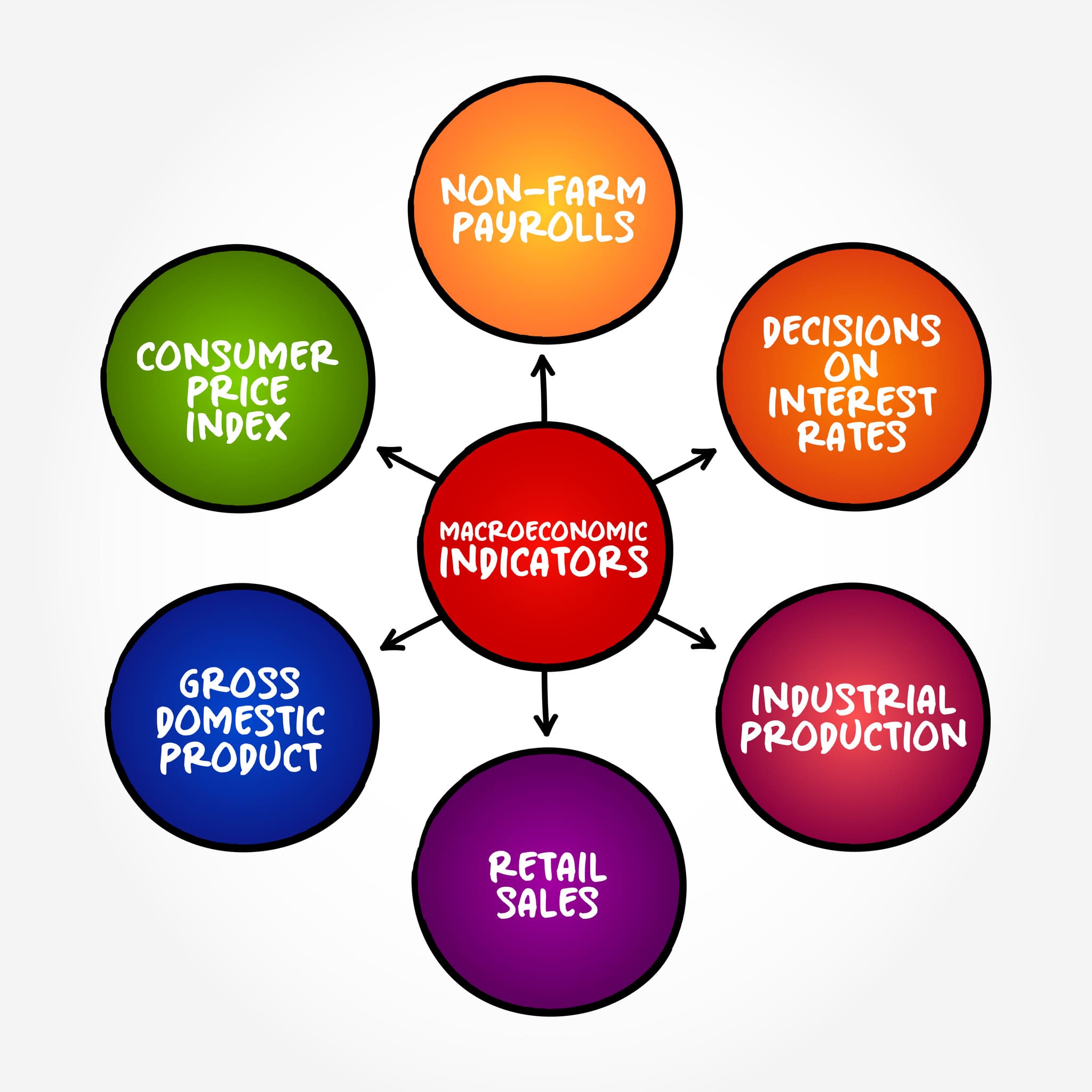
When you hear terms like inflation, recession, or GDP, it can feel overwhelming. But these indicators aren’t just abstract numbers; they shape the cost of living, wage growth, and even the interest you pay on loans. Here’s a closer look at these key economic concepts: Inflation: Beyond the CPI Inflation measures the rate at which…

How Do My Skills Transfer? Making a Career Shift After a Layoff
Losing a job can feel like the rug has been pulled out from under you. Even more frustrating is hearing that companies are desperate for workers while you’re struggling to get interviews. If the job market is so strong, why is it so hard to find a new role? The answer isn’t always about your…

Building an Emergency Fund: Your Financial Safety Net
Life is unpredictable. A sudden job loss, medical emergency, or unexpected home repair can throw even the best financial plans off track. That’s why having an emergency fund isn’t just a good idea – it’s essential. An emergency fund provides a financial cushion that helps you cover unexpected expenses without relying on debt or disrupting…

The Power of Expense Tracking: Navigating Financial Uncertainty
Financial uncertainty is a fact of life. Whether it’s rising costs, job instability, or unexpected expenses, economic shifts can happen anytime. The good news? You have more control than you think. One of the simplest yet most powerful ways to gain financial clarity is by tracking your expenses. At first, tracking expenses might seem tedious…
Making Sense of Your Tax World: A Guide for Every Stage
Get Our Complete Tax Season Playbook: Ready to master your tax planning? Subscribe now to access our comprehensive 12-chapter Tax Season Playbook, your complete guide to making tax-smart financial decisions: https://myretirementnetwork.com/subscribe Once you receive your welcome email from news@myretirementnetwork.com simply reply with ‘Send Tax Guide” and we’ll make sure to reply with your private link…

Lesson 42: The Cost of Flexibility
Freedom Is Built by Tradeoffs – Not Just by Growth Last week, we looked at financial independence as a spectrum rather than a single end point. Each level offers a different degree of flexibility, from basic stability to full independence from earned income. This week focuses on what it takes to get there. Flexibility does…
Lesson 39: “Can I Retire?” Is the Wrong Question
It’s Not a Date – It’s a Range With Flexibility Over the past few weeks, we’ve shifted from building wealth to using it. You’ve seen how income gets created from savings, how withdrawals work, and why timing matters once money starts coming out. All of that leads to a question most people eventually ask: Can…

Lesson 36: Turning Savings Into Income
A Balance Isn’t a Paycheck – You Have to Create One Over the past two months, we’ve focused on what happens while you are still earning – how your system holds up under pressure, uneven income, and competing priorities. This month, we shift to a different phase. At some point, the question changes from how…

Lesson 33: Restarting After Financial Damage
You Don’t Rebuild Everything at Once. You Rebuild in Order Over the past two weeks, we’ve looked at what happens when progress slows and when your system is stretched by competing priorities. This week is different. Sometimes the system doesn’t just stretch. It breaks. Job loss, unexpected expenses, debt buildup, or a series of decisions…

Lesson 30: One-Time Expenses That Don’t Stay One-Time
Large Costs Feel Isolated. The Impact Rarely Is Over the past few weeks, we’ve looked at decisions that reshape your financial system over time. A home changes your fixed costs. A car can turn into a repeating cycle. This week’s category feels different. Renovations, weddings, large trips, major purchases – these are usually framed as…

Lesson 27: “Can You Afford It?” Is the Wrong Question
The Payment Isn’t the Problem — The Tradeoffs Are Over the past six months, you’ve built a system that shows you how your money actually moves. You have a clearer picture of your expenses, your timing, your savings, and where things tighten when something changes. This month, we’re shifting into a different type of decision.…

Lesson 24: Protect Your Accounts
Two-factor authentication, alerts, credit freezes, and cleaning up old access Up to this point, we have talked about protecting income, protecting assets, and protecting against interruption. This week shifts to something quieter but just as important: protecting access. Most financial disruption today does not start with a market crash. It starts with compromised credentials, an…

Lesson 21: Lifestyle Creep
How rising income can quietly stretch the system you’ve built Over the past few months, we’ve focused on structure – tracking cash flow, building reserves, investing, and thinking deliberately about how each dollar is used. At the same time, most people are working toward higher income, better opportunities, and more stability. When income rises, life…

Lesson 18: Staying Invested
Volatility, fees, and the reasons people second-guess the plan At some point after you start investing, a shift happens. You’ve cleared the hurdle of opening the account and setting up contributions. Then you wait for the money you just parted with to grow. It can feel unsettling at first. One day you log in and…
Lesson 15: Workplace Plan Basics
Understanding how employer plans fit into your bigger picture Workplace retirement plans are often introduced early and then left largely unexplored. You enroll during onboarding, pick something that sounds reasonable, and then life moves on. Contributions happen in the background, statements pile up unread, and years can pass before you stop to ask what role…