
Helping people make sense of money
Featured In:
AARP, Bankrate, Barron's, Bloomberg, CBS News, CNBC, ETF.com, Financial Planning, Fortune, Fox Business, Investor’s Business Daily, Investopedia, Kiplinger, MarketWatch, Money, MSN Money, NerdWallet, Reuters, The New York Times, TheStreet, ThinkAdvisor, U.S. News & World Report, and The Wall Street Journal
Lesson 40: What “Enough” Actually Means
It’s Not a Number. It’s a Function of Your Life Last week, we moved away from the idea of a fixed retirement date and toward a range that allows for flexibility. This month, we’re stepping back even further. Before you can decide when work becomes optional or how retirement might look, you need a clearer…
Lesson 37: Withdrawal Basics
How You Take Money Out Matters More Than Most People Expect Last week, we shifted from building wealth to using it. The key idea was simple: a balance is not income. At some point, you have to turn what you’ve saved into something you can actually spend. This week is where that becomes real. Once…

Lesson 34: Uneven Households
One System, Two Behaviors: Where Things Quietly Break Over the past few weeks, we’ve looked at what happens when progress slows, when you take on additional responsibilities, and how to rebuild after a setback. This week, the pressure comes from a different place. Not from the numbers themselves, but from how two people interact with…

Lesson 31: When Progress Doesn’t Look Like Progress
Flat Periods Are Part of the System, Not a Sign It’s Failing Over the past month, we focused on decisions that put pressure on your financial system – housing, cars, and large expenses that reshape how money flows. This month, the pressure looks different. It is not coming from a single decision. It comes from…

Lesson 28: Buying a Home Without Romanticizing It
Ownership Changes More Than Your Address – It Changes Your Entire System Last week, we introduced a different way to evaluate large financial decisions. Instead of asking whether something fits, you started looking at what changes when you add it. This week, we’re applying that directly to one of the biggest decisions most people make:…
Lesson 25: Estate Planning Beyond the Basics
Wills, trusts, taxes, and how control transfers Earlier this year, we talked about beneficiaries, account access, and the “if I got hit by a bus” scenario. That conversation focused on logistics – who can step in, who can see what, and how accounts move quickly when something happens. This week goes deeper. Estate planning is…

Lesson 22: The Job Loss Drill
If income stopped tomorrow, what happens next? Last week we talked about income growth and how rising earnings can quietly raise your baseline expenses. This week flips the lens. Most people at one point or another deal with job loss, and the majority of the time it is not their own doing. Layoffs and restructuring…
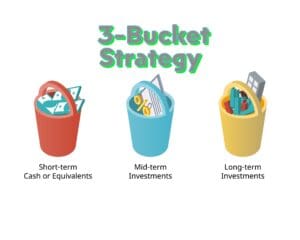
Lesson 19: The Bucket Strategy
How invested money eventually turns into usable income At some point, investing stops being about accumulation and starts being about access. Up until now, the focus has been on building -contributing, staying invested, understanding asset mix, tolerating volatility. All of that is necessary when you are growing your base. The next question is quieter but…

Lesson 16: Investing Setup
Opening accounts outside work and choosing a starter approach Workplace plans are one path into investing. They are not the only one. Many people change jobs, work independently, take time out of the workforce, or never have access to an employer-sponsored plan at all. Others want more flexibility or even ways to invest in addition…
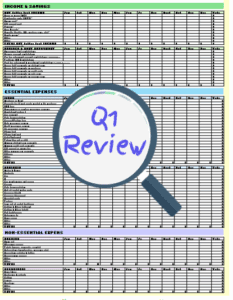
Lesson 13: Q1 Review
Locking in the system before we move forward Whether you’ve been following along since January and have run your system through three full months, or you joined partway through and haven’t had a chance to fully dig in yet, this week is designed for both. If you’re caught up, this is your moment to slow…

Lesson 41: Levels of Financial Independence
Not All “Enough” Looks the Same. It Depends on What You Want From It Last week, we stepped away from the idea of a single number and looked at what “enough” actually needs to support. This week builds on that. Even with a clear understanding of your spending and income needs, there is still a…

Lesson 38: Sequence Risk
The Timing of Returns Matters More Than the Average Last week, we looked at how withdrawals work and why the order you take money from different accounts affects your outcome. This week, we’re focusing on something less intuitive. Not just what your investments earn, but when they earn it. Two people can have the same…

Lesson 35: When Income Isn’t Consistent
You Don’t Budget Off What You Make. You Budget Off What You Can Rely On Over the past few weeks, we’ve looked at what happens when your system is stretched – by competing priorities, setbacks, and even differences in how money is handled within a household. This week, the pressure comes from the income side.…

Lesson 32: Supporting Others Without Sinking Yourself
Helping Should Be a Decision, Not a Default Last week, we looked at what happens when progress slows and how easy it is to misinterpret that as something being broken. This week, we’re looking at one of the most common reasons progress becomes uneven: supporting other people. This can take many forms: helping adult children,…

Lesson 29: Car Decisions: The Quiet Cash Drain
It’s Not Lease vs Buy. It’s Whether You Stay in a Permanent Payment Cycle Last week, we looked at housing decisions and how they reshape your financial system in ways that are not always obvious upfront. This week, we’re applying the same lens to something that feels smaller, more routine, and easier to justify: your…
Lesson 26: Midyear Reset
Use What the First Six Months Taught You You now have something most people never get: six months of evidence. Back in January, the work was necessarily basic. You had to see what was coming in, what was going out, where pressure lived, how timing affected cash flow, and how seemingly small habits could quietly…

Lesson 23: Life and Disability Insurance
Protecting income and protecting people who rely on it Earlier this year we explored insurance that protects your property and well being – auto, home and health. But what about another valuable asset most people have during their working years: the ability to earn. Life insurance and disability insurance sit behind the scenes until they…

Lesson 20: Money for Real Life
Sinking funds, planned enjoyment, regular spending, and why not every dollar belongs in a retirement account Whether you’ve been here since January or you joined somewhere along the way, this year has been about building structure. We’ve worked through cash flow, essential expenses, emergency reserves, debt, investing, asset mix, and staying invested when markets test…

Lesson 17: Asset Mix Made Simple
What stocks and bonds do, why mix matters, and how risk shows up over time Over the past month, the focus has been on investing and growth, how money compounds, how to open accounts, and how to get started. Once money is invested, the next step is understanding how it works. You are not expected…

Lesson 14: How Money Grows
Turning stability into momentum Up to this point, the work has been about understanding how money moves through your life. You’ve been tracking cash flow, spotting inefficiencies, and learning that with some attention, it’s possible to pull money away from places it quietly leaks out and redirect it toward something more intentional. That process often…

Breaking the Cycle: How Kids Learn Bad Financial Habits Early and How to Help
Kids absorb financial habits quickly, often without even realizing it. Some of these behaviors—like impulsive spending or avoiding money conversations—can persist into adulthood, impacting long-term financial well-being. By identifying these tendencies early on, parents can guide their children toward healthier financial habits that support a more secure future. Identifying Impulsive Spending BehaviorsMany kids see immediate…
Social Security False Reporting: An Indirect Hit
Back in June, rumors starting running rampant that there would be a $600 social security increase. While potentially very exciting, this turned out to also be very FALSE. The rumor spread quickly, resulting in the Social Security Administration’s phone lines being inundated with more than 463,000 calls in a single day. This incident highlights a…

The Study of JOY, Part 2
Last week we discussed the basis for finding happiness in our relationships and what that means in retirement. When you consider the relationships we have during our working lives and how structured they are, retirement is a huge change. Suddenly, we are without our colleagues on a daily basis, interacting with people a lot less.…

The Study Of JOY
In 1938 scientists began a study to track the health of its participants over a long period of time to try to figure out what makes people healthy and happy. The study continues to this day, of course adding new participants (including the offspring of the OGs!). So what does this Harvard Study of Adult…
JUNK Fees
The Consumer Financial Protection Bureau is taking companies to task to make sure you aren’t getting taken to the cleaners. Their plan is to save you billion$. To start, note that there is nothing wrong or illegal about adding fees to a service – the issue is that they are not being properly disclosed. Since they are…
- « Previous
- 1
- …
- 4
- 5
- 6